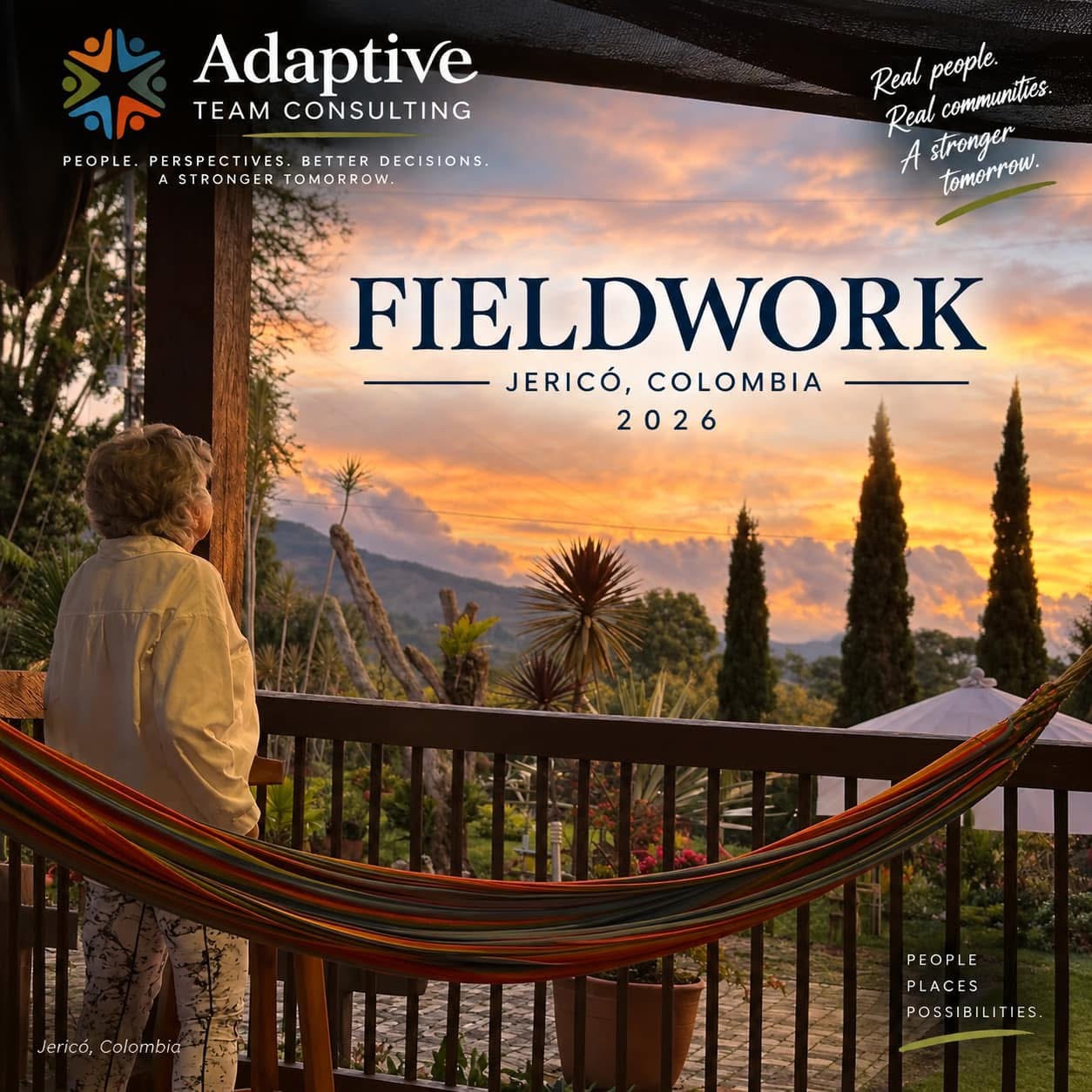
How the work meets real places.
Field observation provides another lens for studying how people build belonging, coordinate responsibility, solve problems, and sustain shared work across different environments.
Observation informs better questions.
How We Excel is not presented as validated by the existence of fieldwork. Field observations help identify patterns, test assumptions, and improve design questions; formal claims remain bounded by the evidence and validation status stated for each tool.
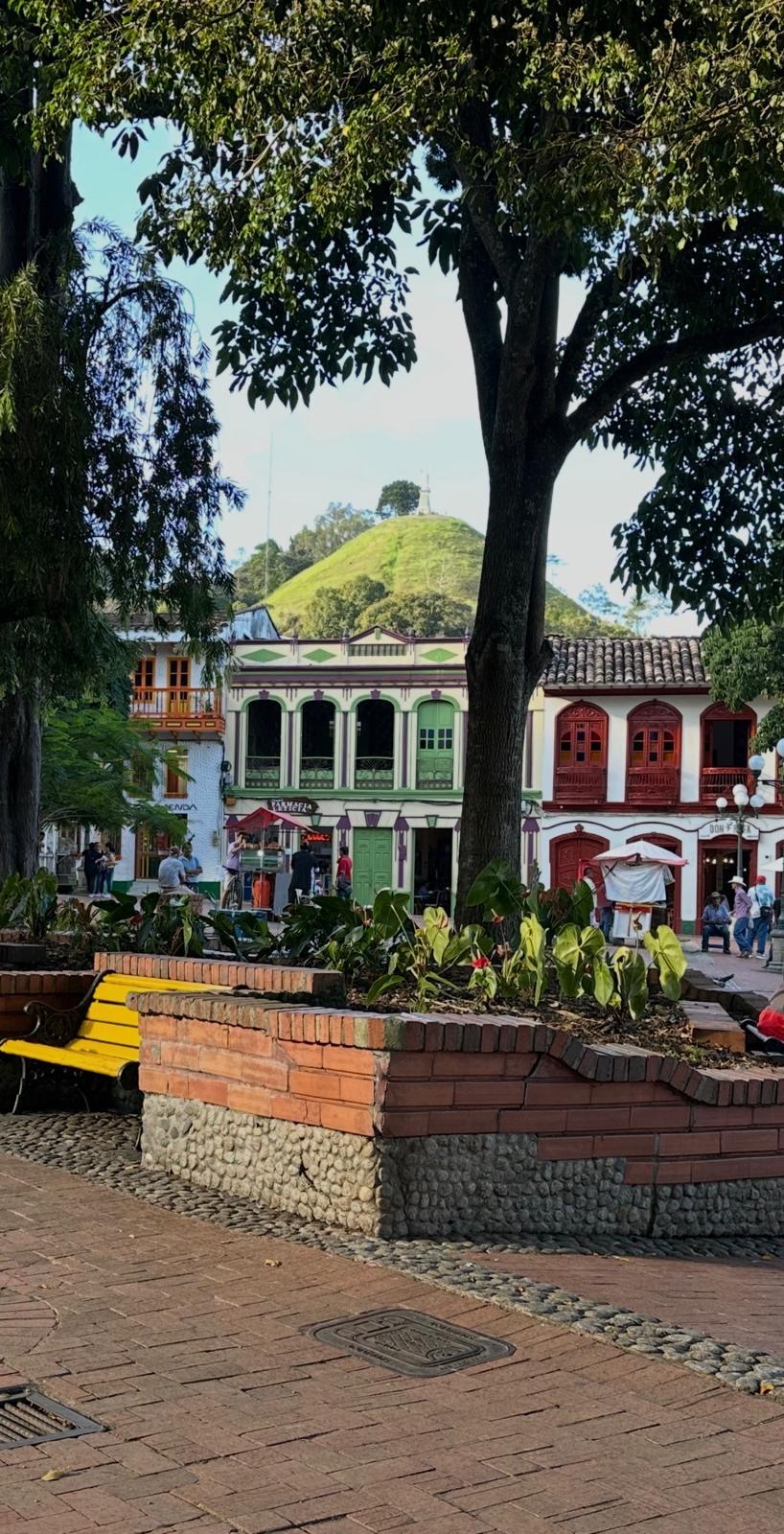
People, place, and the architecture of shared work.
How belonging is built
Who is recognized as part of the system, whose knowledge is accessible, and what makes participation meaningful rather than symbolic?
How responsibility moves
How do people coordinate authority, resources, decisions, handoffs, support, and accountability in everyday conditions?
How communities sustain
What helps a solution remain usable over time, and what evidence causes people to continue, adapt, or reconsider?

Real environments complicate clean theories—and improve them.
Every setting contains history, informal authority, relationships, constraints, and forms of knowledge that a diagram cannot fully capture. Field observation keeps the architecture attentive to those lived conditions.
Future field notes and project stories will be added only where disclosure is appropriate and the lesson can be shared without overstating what the observation proves.
Follow the development of the work.
Receive occasional updates when field notes, tools, or participation opportunities are ready to share.
Join the Updates List